
Atrophic Pattern Pap
Atrophic Pattern Pap - Web a pap test is a procedure used to collect cells from the cervix (lower part of the uterus) so they can be looked at closely in a lab under a microscope. The condition also includes urinary tract problems such as urinary tract infections (utis) and urinary incontinence. Cervical cancer screening with pap and/or human papillomavirus (hpv) tests is recommended starting between the ages of 21 and 25 years. Web what is a pap test? Web a pap test, also called a pap smear or cervical cytology, is a way of screening for cervical cancer. Diagnosis is made clinically based on symptoms. Vaginal atrophy occurs most often after menopause. Web vaginal atrophy (atrophic vaginitis) is thinning, drying and inflammation of the vaginal walls that may occur when your body has less estrogen. Web vaginal atrophy is a condition where the lining of your vagina gets drier and thinner. This results in itching, burning and pain during sex, among other symptoms. Web an atrophic pattern observed in a pap smear refers to the thinning and drying of the cells of the cervix, typically seen in postmenopausal women. Web a pap test, also called a pap smear or cervical cytology, is a way of screening for cervical cancer. Web atypical squamous cells of undetermined significance (ascus) is the most common abnormal finding from a pap smear. Web atrophic vaginitis is an inflammatory process that occurs in clients experiencing vaginal atrophy. Web vaginal atrophy is a condition where the lining of your vagina gets drier and thinner. The cells are evaluated for changes that could (but probably won’t) lead to cancer. A pap test involves a healthcare provider swabbing some cells from a woman’s cervix and sending them in a special liquid to a lab for testing. Vaginal atrophy occurs most often after menopause. It means that some of the cells from a pap smear did not look entirely normal but did not meet the diagnostic criteria for a lesion (meaning an area of abnormal tissue). Web what is a pap test? This results in itching, burning and pain during sex, among other symptoms. The cells are evaluated for changes that could (but probably won’t) lead to cancer. Diagnosis is made clinically based on symptoms. Web vaginal atrophy (atrophic vaginitis) is thinning, drying and inflammation of the vaginal walls that may occur when your body has less estrogen. Vaginal atrophy develops secondary. Web a pap test is a procedure used to collect cells from the cervix (lower part of the uterus) so they can be looked at closely in a lab under a microscope. Diagnosis is made clinically based on symptoms. The cells are evaluated for changes that could (but probably won’t) lead to cancer. This results in itching, burning and pain. For many women, vaginal atrophy not only makes intercourse painful but also leads to distressing urinary symptoms. Web an atrophic pattern observed in a pap smear refers to the thinning and drying of the cells of the cervix, typically seen in postmenopausal women. The cells are evaluated for changes that could (but probably won’t) lead to cancer. Web vaginal atrophy. Web a pap test is a procedure used to collect cells from the cervix (lower part of the uterus) so they can be looked at closely in a lab under a microscope. The cells are evaluated for changes that could (but probably won’t) lead to cancer. Web an atrophic pattern observed in a pap smear refers to the thinning and. Web hyperchromatic crowded groups in pap smear with atrophic cellular pattern with occasional atypical degenerated enlarged parabasal nucleus in some of the cells in hyperchromatic crowded groups of parabasal cells. Web atrophic vaginitis is an inflammatory process that occurs in clients experiencing vaginal atrophy. Web atypical squamous cells of undetermined significance (ascus) is the most common abnormal finding from a. Diagnosis is made clinically based on symptoms. Web vaginal atrophy is a condition where the lining of your vagina gets drier and thinner. Web vaginal atrophy (atrophic vaginitis) is thinning, drying and inflammation of the vaginal walls that may occur when your body has less estrogen. A pap test involves a healthcare provider swabbing some cells from a woman’s cervix. Vaginal atrophy occurs most often after menopause. Cervical cancer screening with pap and/or human papillomavirus (hpv) tests is recommended starting between the ages of 21 and 25 years. The cells are evaluated for changes that could (but probably won’t) lead to cancer. Vaginal atrophy develops secondary to a lack of estrogen due to menopause. Web a pap test is a. Web vaginal atrophy (atrophic vaginitis) is thinning, drying and inflammation of the vaginal walls that may occur when your body has less estrogen. This results in itching, burning and pain during sex, among other symptoms. It means that some of the cells from a pap smear did not look entirely normal but did not meet the diagnostic criteria for a. This condition can be caused by hormonal changes during menopause, decreased estrogen levels, or certain medical conditions. Web atrophic vaginitis is an inflammatory process that occurs in clients experiencing vaginal atrophy. Web what is a pap test? Diagnosis is made clinically based on symptoms. A pap test involves a healthcare provider swabbing some cells from a woman’s cervix and sending. Web hyperchromatic crowded groups in pap smear with atrophic cellular pattern with occasional atypical degenerated enlarged parabasal nucleus in some of the cells in hyperchromatic crowded groups of parabasal cells. Web atrophic vaginitis is an inflammatory process that occurs in clients experiencing vaginal atrophy. Diagnosis is made clinically based on symptoms. Web vaginal atrophy (atrophic vaginitis) is thinning, drying and. Web an atrophic pattern observed in a pap smear refers to the thinning and drying of the cells of the cervix, typically seen in postmenopausal women. Vaginal atrophy occurs most often after menopause. For many women, vaginal atrophy not only makes intercourse painful but also leads to distressing urinary symptoms. Web vaginal atrophy is a condition where the lining of your vagina gets drier and thinner. Web atypical squamous cells of undetermined significance (ascus) is the most common abnormal finding from a pap smear. The hyperchromatic nucleus was relatively round with smooth contours. This condition can be caused by hormonal changes during menopause, decreased estrogen levels, or certain medical conditions. A pap test involves a healthcare provider swabbing some cells from a woman’s cervix and sending them in a special liquid to a lab for testing. This results in itching, burning and pain during sex, among other symptoms. Vaginal atrophy develops secondary to a lack of estrogen due to menopause. Cervical cancer screening with pap and/or human papillomavirus (hpv) tests is recommended starting between the ages of 21 and 25 years. The cells are evaluated for changes that could (but probably won’t) lead to cancer. Web vaginal atrophy (atrophic vaginitis) is thinning, drying and inflammation of the vaginal walls that may occur when your body has less estrogen. Web a pap test, also called a pap smear or cervical cytology, is a way of screening for cervical cancer. Web what is a pap test? Web a pap test is a procedure used to collect cells from the cervix (lower part of the uterus) so they can be looked at closely in a lab under a microscope.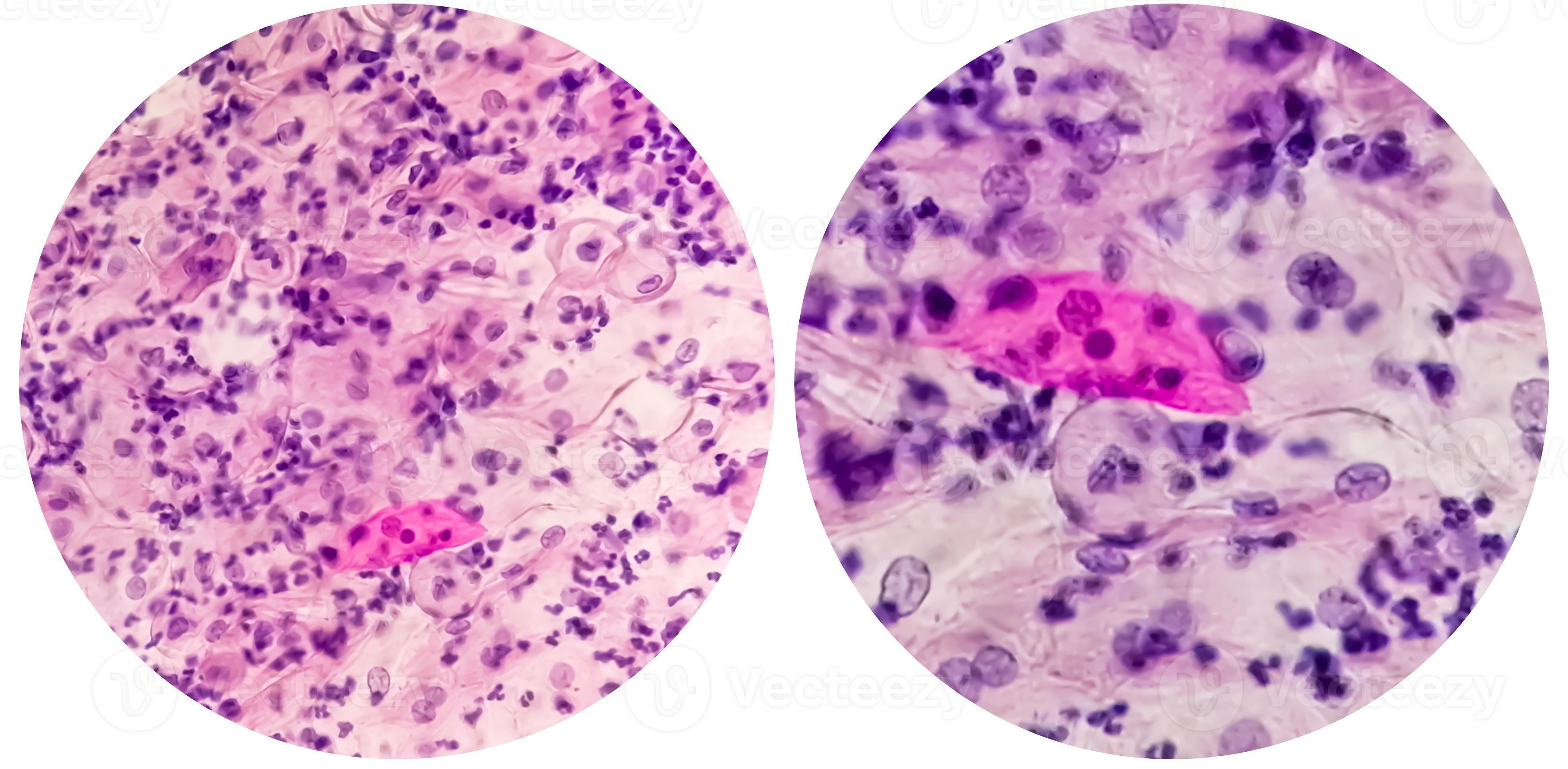
Paps smear. Microscopic examination of pap smear showing inflammatory

Trenutna Hotel Mentor pap test nilm only squamous cells with normal

Parabasal cells in pap smear with postpartum Ad , ad, cells
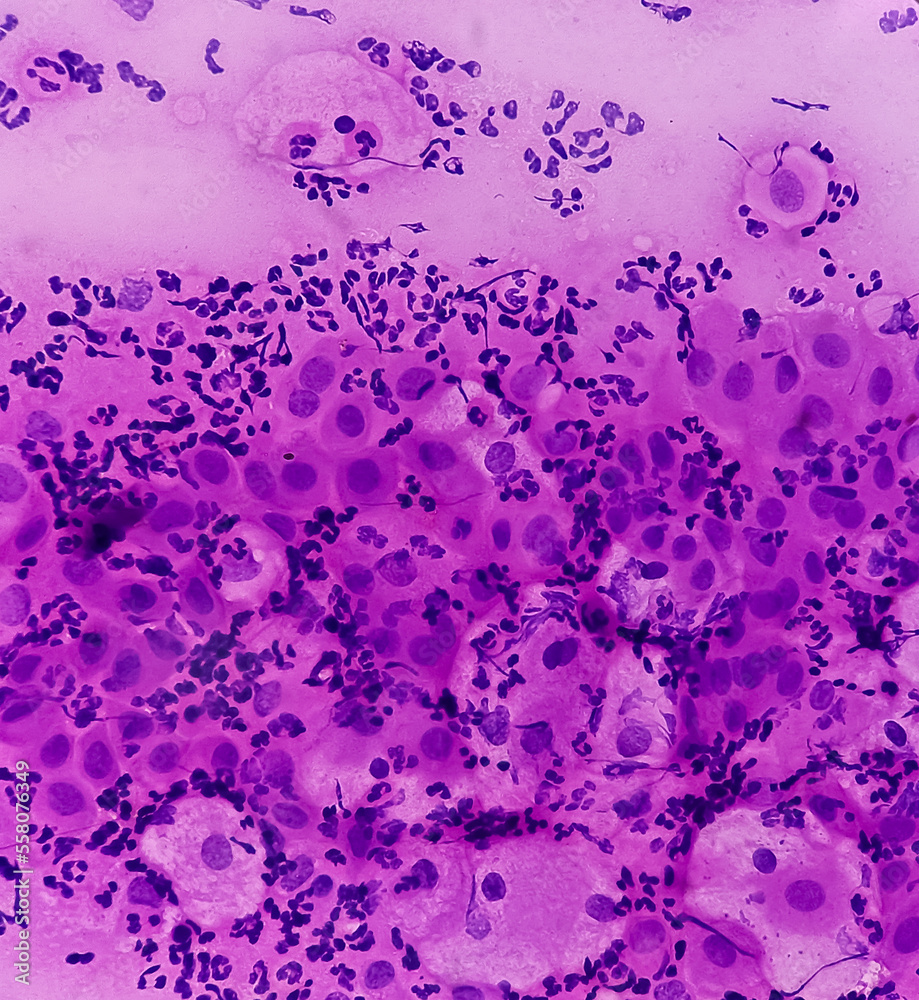
Pap's smear. Reactive cellular changes associated with severe
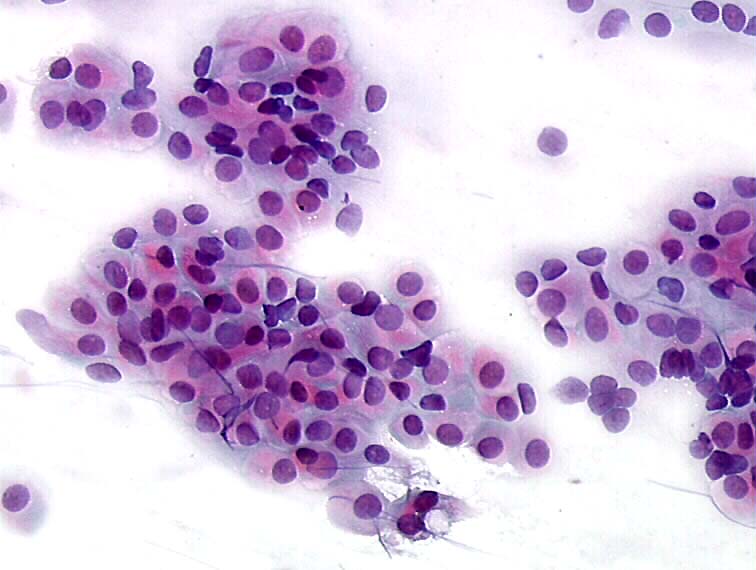
Pathology Outlines Atrophy

Pap smear cytology showing mostly immature basal cells, typical for

Understanding The Atrophic Pattern In Pap Smear Results MedShun

Paps Smear Microscopic Showing Inflammatory Smear Stock Photo
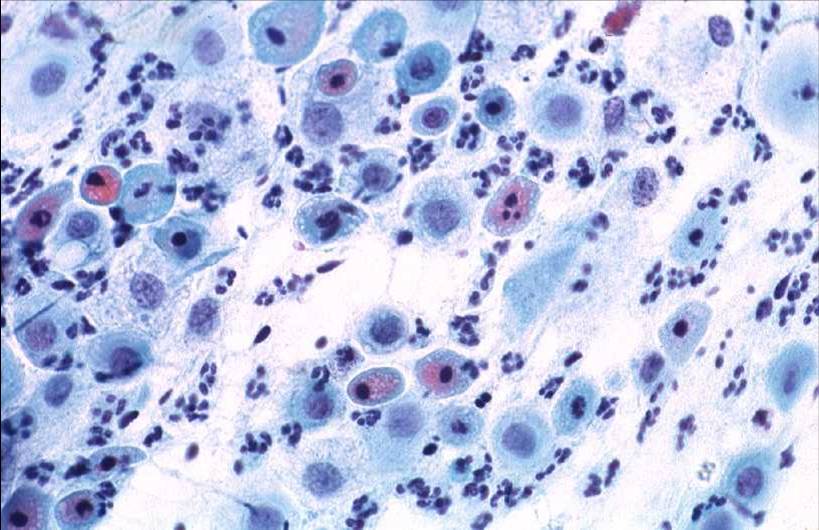
Eurocytology

Paps smear. Microscopic examination of pap smear showing inflammatory
Web Atrophic Vaginitis Is An Inflammatory Process That Occurs In Clients Experiencing Vaginal Atrophy.
The Condition Also Includes Urinary Tract Problems Such As Urinary Tract Infections (Utis) And Urinary Incontinence.
Diagnosis Is Made Clinically Based On Symptoms.
It Means That Some Of The Cells From A Pap Smear Did Not Look Entirely Normal But Did Not Meet The Diagnostic Criteria For A Lesion (Meaning An Area Of Abnormal Tissue).
Related Post: