
Wise Pattern Mastectomy
Wise Pattern Mastectomy - The authors compared the time for exchange, time to initiate postmastectomy radiotherapy, and complication rates between wise pattern and transverse incision. Wise’s pattern mastopexy is essential in cases of severe ptosis. The wise pattern adapted to mastectomy incisions has become a valuable asset for breast reconstruction in patients with large and ptotic breasts. Web the wise pattern procedure utilizes a longer transverse scar in the inframammary fold, allowing for shortening of the vertical scar length to restore balance to the overall breast shape. Web wise pattern breast reconstruction using relatively large implants and dermal matrix in direct to implant reconstruction is a safe technique in selected patients with macromastia. Web the wise pattern was initially described for breast reduction and mastopexy by wise in 1956. Web the inverted t (wise pattern) mastectomy for patients with macromastia or significant breast ptosis has evolved along with generalized techniques for breast reconstruction. The pattern allows removal of skin in both vertical and horizontal dimensions allowing for lifting and coning of the breast into a less ptotic shape. The wise pattern adapted to mastectomy incisions has become a valuable asset for breast reconstruction in patients with large and ptotic breasts. The authors compared the time for exchange, time to initiate postmastectomy radiotherapy, and complication rates between wise pattern and transverse incision. The pattern allows removal of skin in both vertical and horizontal dimensions allowing for lifting and coning of the breast into a less ptotic shape. Web wise pattern breast reconstruction using relatively large implants and dermal matrix in direct to implant reconstruction is a safe technique in selected patients with macromastia. Web the wise pattern procedure utilizes a longer transverse scar in the inframammary fold, allowing for shortening of the vertical scar length to restore balance to the overall breast shape. Web the wise pattern was initially described for breast reduction and mastopexy by wise in 1956. Web the inverted t (wise pattern) mastectomy for patients with macromastia or significant breast ptosis has evolved along with generalized techniques for breast reconstruction. Wise’s pattern mastopexy is essential in cases of severe ptosis. The authors compared the time for exchange, time to initiate postmastectomy radiotherapy, and complication rates between wise pattern and transverse incision. The wise pattern adapted to mastectomy incisions has become a valuable asset for breast reconstruction in patients with large and ptotic breasts. Web wise pattern breast reconstruction using relatively large implants and dermal matrix in direct to implant reconstruction. Wise’s pattern mastopexy is essential in cases of severe ptosis. Web wise pattern breast reconstruction using relatively large implants and dermal matrix in direct to implant reconstruction is a safe technique in selected patients with macromastia. The authors compared the time for exchange, time to initiate postmastectomy radiotherapy, and complication rates between wise pattern and transverse incision. The wise pattern. Web the wise pattern procedure utilizes a longer transverse scar in the inframammary fold, allowing for shortening of the vertical scar length to restore balance to the overall breast shape. Wise’s pattern mastopexy is essential in cases of severe ptosis. The authors compared the time for exchange, time to initiate postmastectomy radiotherapy, and complication rates between wise pattern and transverse. Wise’s pattern mastopexy is essential in cases of severe ptosis. Web the wise pattern was initially described for breast reduction and mastopexy by wise in 1956. Web the wise pattern procedure utilizes a longer transverse scar in the inframammary fold, allowing for shortening of the vertical scar length to restore balance to the overall breast shape. Web the inverted t. Web the wise pattern procedure utilizes a longer transverse scar in the inframammary fold, allowing for shortening of the vertical scar length to restore balance to the overall breast shape. Web wise pattern breast reconstruction using relatively large implants and dermal matrix in direct to implant reconstruction is a safe technique in selected patients with macromastia. Wise’s pattern mastopexy is. Web the wise pattern procedure utilizes a longer transverse scar in the inframammary fold, allowing for shortening of the vertical scar length to restore balance to the overall breast shape. Wise’s pattern mastopexy is essential in cases of severe ptosis. The authors compared the time for exchange, time to initiate postmastectomy radiotherapy, and complication rates between wise pattern and transverse. Web the wise pattern was initially described for breast reduction and mastopexy by wise in 1956. Web the wise pattern procedure utilizes a longer transverse scar in the inframammary fold, allowing for shortening of the vertical scar length to restore balance to the overall breast shape. Web the inverted t (wise pattern) mastectomy for patients with macromastia or significant breast. Web the wise pattern was initially described for breast reduction and mastopexy by wise in 1956. The pattern allows removal of skin in both vertical and horizontal dimensions allowing for lifting and coning of the breast into a less ptotic shape. The wise pattern adapted to mastectomy incisions has become a valuable asset for breast reconstruction in patients with large. Web the wise pattern procedure utilizes a longer transverse scar in the inframammary fold, allowing for shortening of the vertical scar length to restore balance to the overall breast shape. Wise’s pattern mastopexy is essential in cases of severe ptosis. Web wise pattern breast reconstruction using relatively large implants and dermal matrix in direct to implant reconstruction is a safe. The wise pattern adapted to mastectomy incisions has become a valuable asset for breast reconstruction in patients with large and ptotic breasts. Web wise pattern breast reconstruction using relatively large implants and dermal matrix in direct to implant reconstruction is a safe technique in selected patients with macromastia. Web the inverted t (wise pattern) mastectomy for patients with macromastia or. Web the wise pattern procedure utilizes a longer transverse scar in the inframammary fold, allowing for shortening of the vertical scar length to restore balance to the overall breast shape. Web the wise pattern was initially described for breast reduction and mastopexy by wise in 1956. The pattern allows removal of skin in both vertical and horizontal dimensions allowing for lifting and coning of the breast into a less ptotic shape. Web wise pattern breast reconstruction using relatively large implants and dermal matrix in direct to implant reconstruction is a safe technique in selected patients with macromastia. The authors compared the time for exchange, time to initiate postmastectomy radiotherapy, and complication rates between wise pattern and transverse incision. Wise’s pattern mastopexy is essential in cases of severe ptosis.
Wise Pattern Breast Reduction Catalog of Patterns
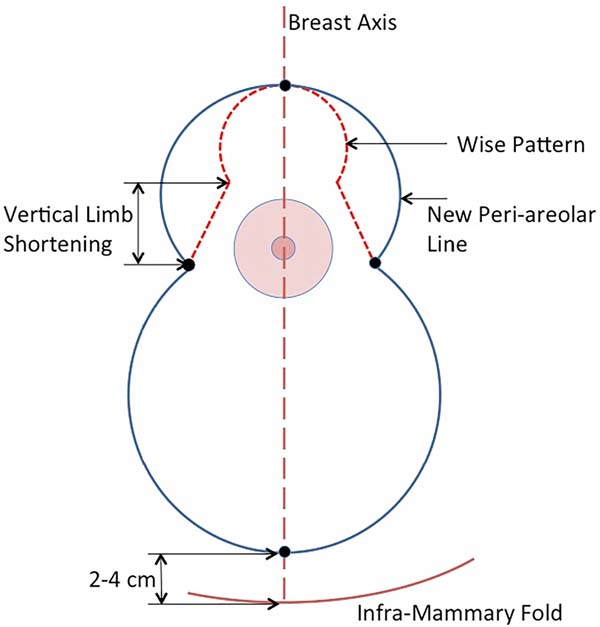
RBCP Simplified planning and marking of mastopexy and reduction

Wise Pattern Breast Reduction Patterns Gallery
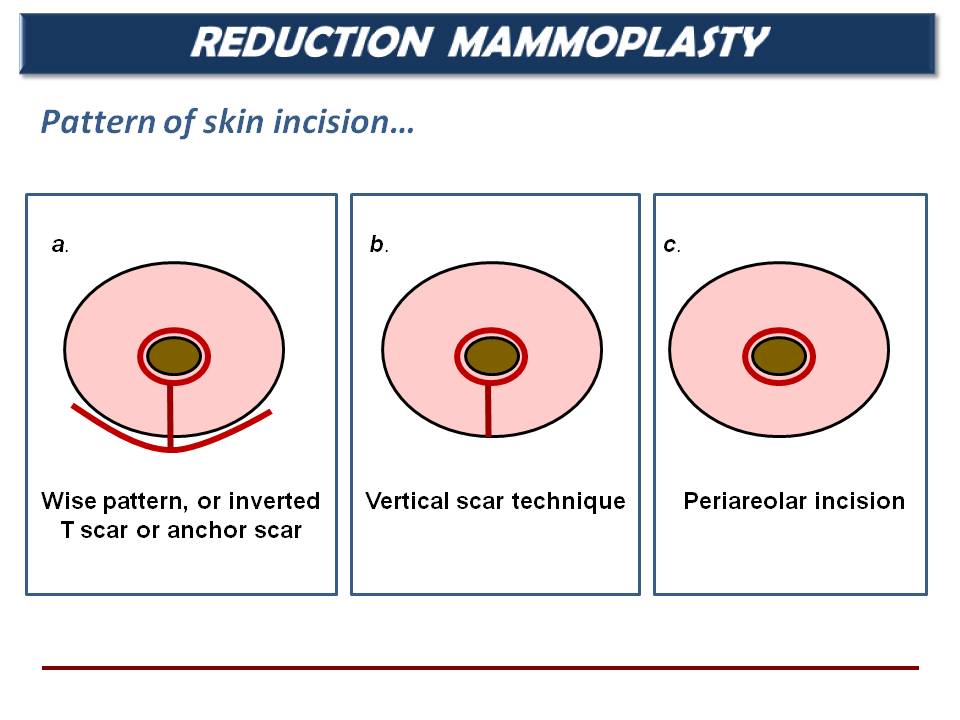
EPOS™
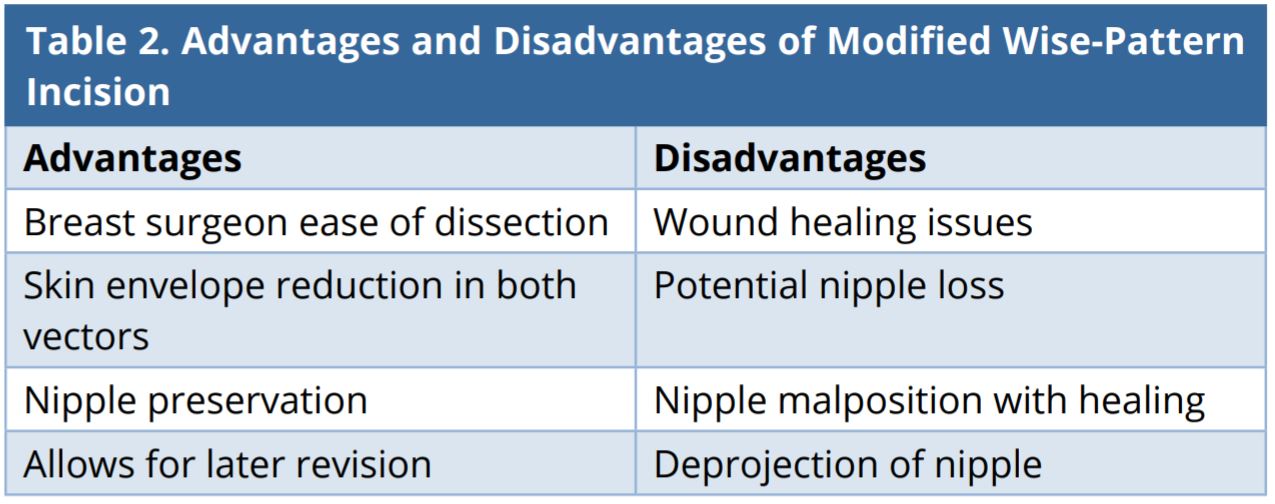
Microsurgical Flaps in Nipple Sparing Mastectomy Surgical Techniques

The overWise mammoplasty a modified Wise pattern for large

AFC Scar Patterns & More Going Flat After Mastectomy

(PDF) Wisepattern Splitreduction Incision to Facilitate Mastectomy

Watch Breast Reduction with Medial Pedicle Wise Pattern on PSEN YouTube
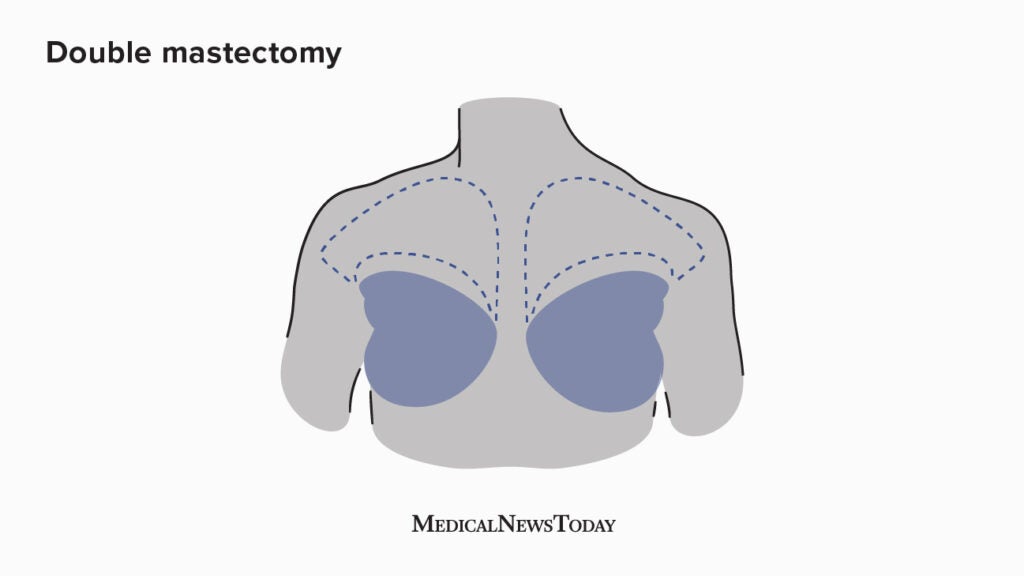
Types Of Mastectomy Surgeries
Web The Inverted T (Wise Pattern) Mastectomy For Patients With Macromastia Or Significant Breast Ptosis Has Evolved Along With Generalized Techniques For Breast Reconstruction.
The Wise Pattern Adapted To Mastectomy Incisions Has Become A Valuable Asset For Breast Reconstruction In Patients With Large And Ptotic Breasts.
Related Post: